Menu
- About
Primary schools
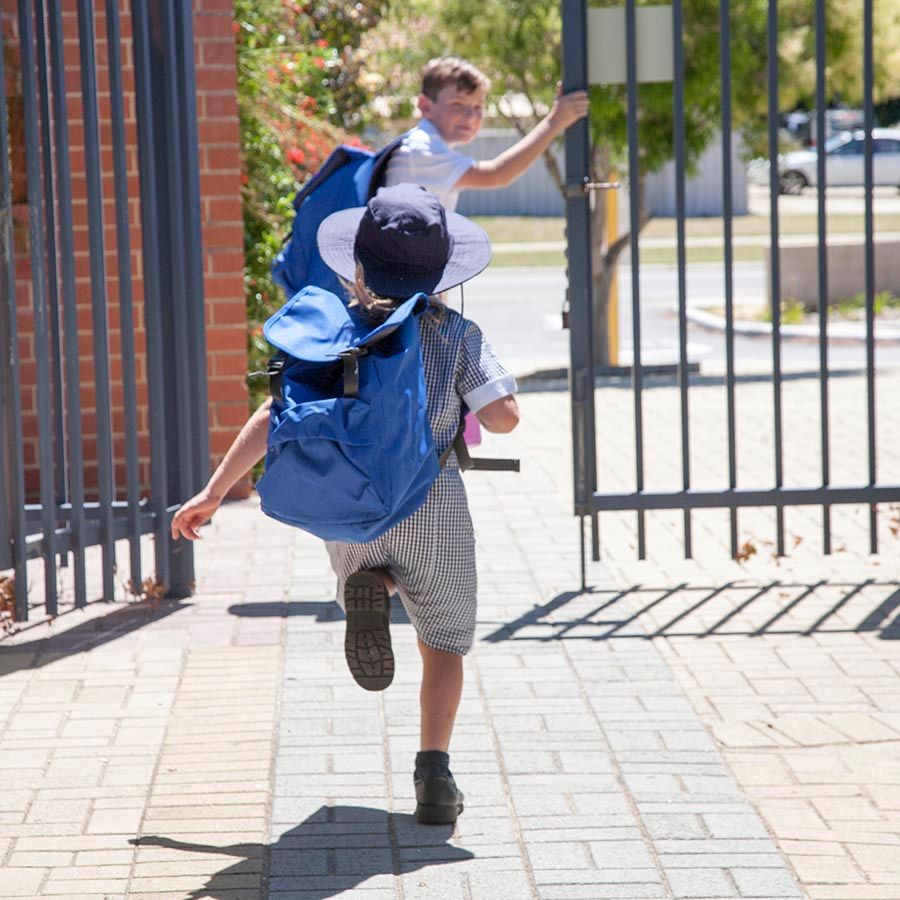
Sex Education Australia delivers programs across the primary school years, from Foundation (Prep) to Year 6.
At the primary level, sexual health education has been shown to:
- help increase children’s personal safety
- help increase confidence and self-esteem
- support children to make healthy decisions as they grow older
We value diversity and respect for all, and understand that different families and communities hold different expectations. However, we also know that regardless of a child’s background, all need to learn about themselves and others, bodies and safety, and respect and consent. When they don’t have access to information, or a trusted adult to talk to, they can be left vulnerable to influences outside the family. You can see our positioning statements and our FAQs for more about our approach.
[Reference: Department of Education and Early Childhood Development, Catching on Early: Sexuality Education for Victorian Primary Schools.]
Primary school programs
Sex Education Australia’s programs present students with accurate and age-appropriate information about body safety, anatomy, reproduction and puberty. We also discuss consent in simple terms across all the primary year levels as this is now mandated around Australia.
Our programs are mapped against the Victorian Curriculum and Australian Curriculum, and support schools to meet several of the Child Safe Standards, set by the Victorian Education Department and Commission for Children and Young People, namely Child Safe Standard 3 (Child and student empowerment), Child Safe Standard 4 (Family engagement) and Child Safe Standard 9 (Physical and online environments), and are delivered by experienced and trained educators. Our sessions are interactive, engaging and respectful of the wide-ranging values that families have.
Parent engagement
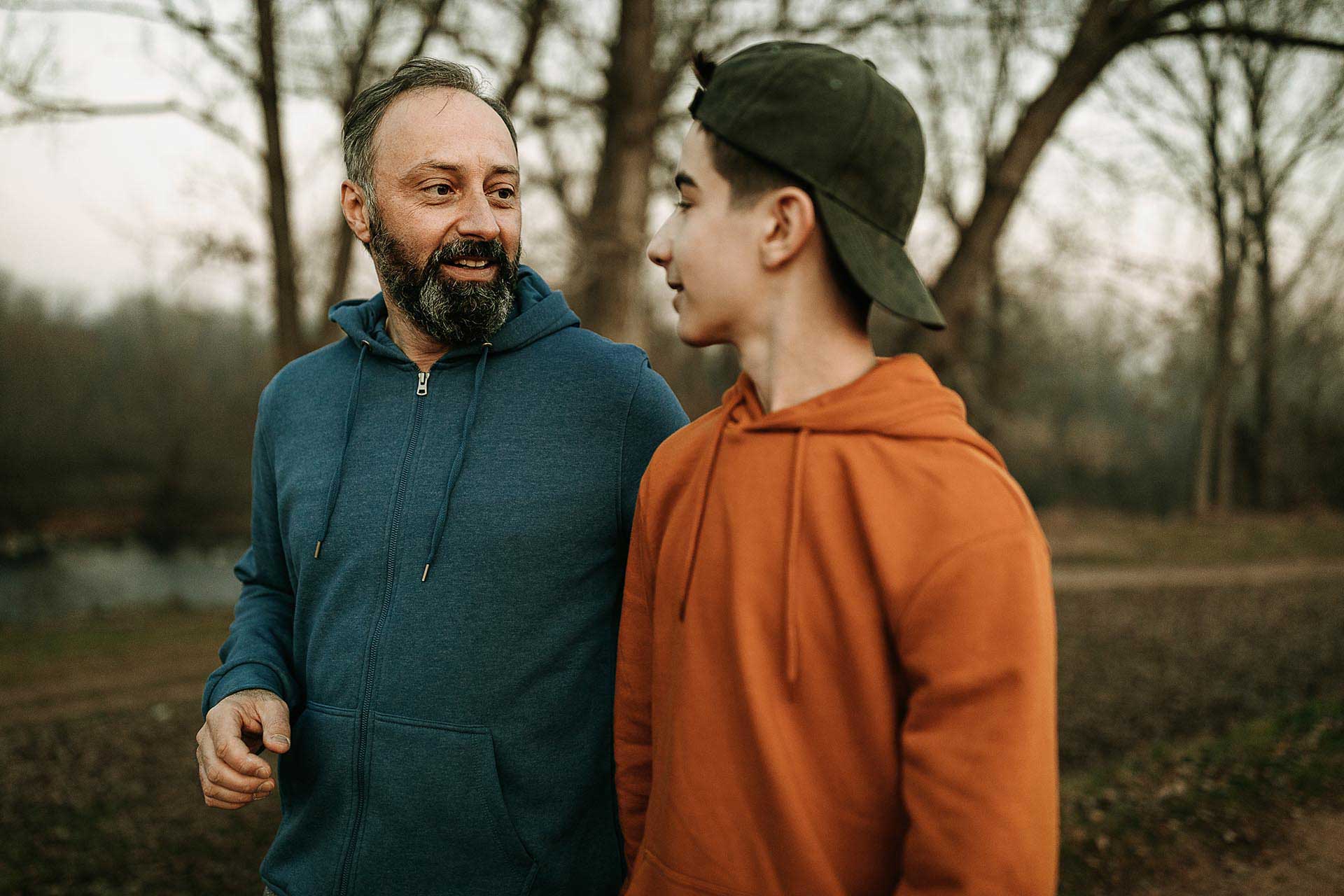
It’s important that parents and carers are active partners in this education, which supports their children. We strongly recommend that schools book a Parent Information Evening ahead of a classroom program, especially if SEA is visiting the school for the first time.
The online Parent Information Evenings help support parents to be the ‘go to’ person for their child, because all children need a trusted adult at home to talk to. These evenings are connected to the in-classroom programs and are held via Zoom.
Topics include:
- what will and won’t be covered in our classroom programs (and the language our educators use to talk about certain topics)
- how we are inclusive
- why it’s important to talk to your child at home
- tips on how to talk, what to say and when (and how much)
- how to kick-start or continue conversations at home
- how to answer difficult or uncomfortable questions
- what to do when you get caught unprepared by a tricky question
- where to go for further information and support
We follow up all Parent Information Evenings with resources sent to the school to be passed onto parents and caregivers.
Our 'Parent and Child Nights'
Parent and Child Nights are relaxed, fun sessions for parents, caregivers and their children, available online or in-person at your school. Designed for students in Years 1–6, they’re a positive way to start or continue important conversations at home about bodies, body safety, puberty and the value of talking to a trusted adult.
Parents tell us they love these evenings because they’re straightforward and easy to follow. Sessions are grouped by year level so the content is always age-appropriate.
Year 1 and 2 (45 minutes)
- body safety messages
- proper names for private parts of the body
- identifying trusted adults children can go to for help and support
Year 3 and 4 (45 minutes)
- names of male and female reproductive body parts
- body safety
- simple introduction to how babies begin, pregnancy and birth
- introduction to puberty
- importance of talking to a trusted adult
Year 5 and 6 (60 minutes)
- names and functions of male and female reproductive body parts
- reinforcing body safety messages
- managing the physical, social and emotional changes of puberty
- discuss the concept of consent in friendships and family relationships
- building a support network of trusted adults
To enquire about our parent or family sessions, email us at bookings (at) seaprograms (dot) com (dot) au
'I loved how Rebecca was so kind and took us through every step and concept slowly. It wasn't tense or worrying because of the way that she calmly explained each and every concept. I personally don't think that there is anything that needs to be improved. It was a smooth and calm process and it wasn't as worrying as I thought it would be.'
Year 5-6 student